5 Balanced Kids Lunch Ideas for Steady Energy
A balanced kids lunch combines protein, whole grains, fruit, and vegetables in kid-sized portions. This simple combination can help support steady energy and focus through the afternoon. Offer familiar foods alongside one new option, and involve your child in choosing ingredients so lunch feels appealing rather than pressured.

What Should a Balanced Kids Lunch Include?
A practical lunch does not need to be complicated. Aim to include:
- Protein: Turkey, chicken, eggs, cheese, yogurt, beans, or hummus
- Whole grains: Whole-grain bread, tortillas, crackers, brown rice, or pasta
- Fruit: Berries, apples, bananas, melon, or sliced pears
- Vegetables: Carrots, cucumbers, peas, bell peppers, or broccoli
- Water: A reusable water bottle instead of a sugary drink
Portions should match your child’s age, appetite, and activity level. Some children eat more at lunch, while others prefer smaller portions and a nourishing after-school snack.
5 Easy Lunch Combinations
Use these ideas as starting points, then adjust them to your child’s preferences and any allergy or dietary needs.
- Turkey and cheese on whole-grain bread with apple slices and cucumber rounds.
- Hummus with whole-grain pita, carrots, grapes, and plain yogurt.
- Bean-and-cheese quesadilla on a whole-grain tortilla with berries and bell peppers.
- Hard-boiled egg, whole-grain crackers, melon, and steamed broccoli.
- Chicken pasta salad with peas, orange segments, and water.
Cut foods into safe, manageable pieces for younger children. Avoid whole grapes, hard raw vegetables, and other choking hazards unless prepared appropriately for your child’s age and development.
How Can Parents Make Healthy Lunches More Appealing?
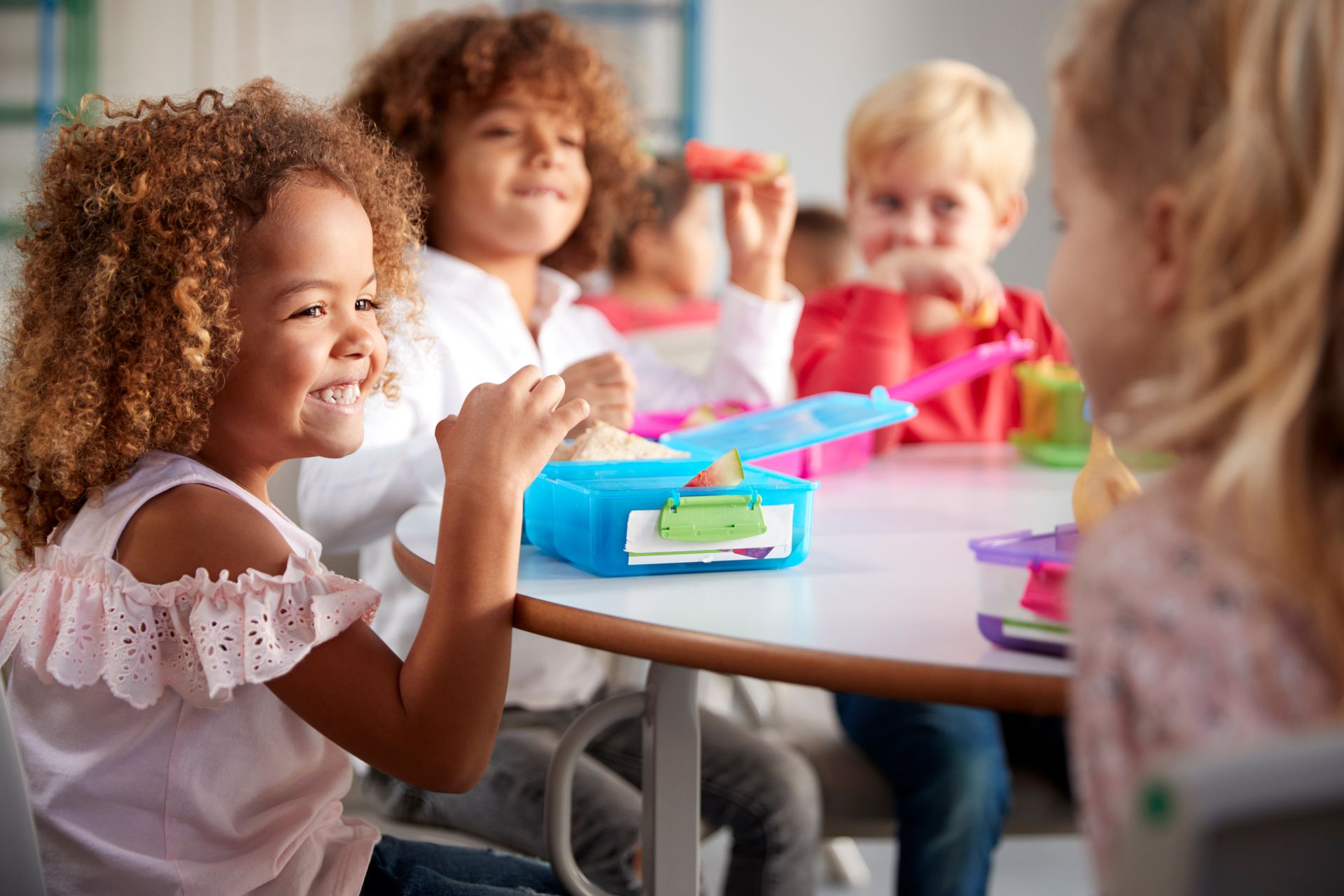
Children are more likely to try foods they helped select or prepare. Invite your child to choose one fruit, one vegetable, and one protein for the week. Use divided containers to keep foods separate, and offer familiar favorites beside less familiar foods.
Other helpful strategies include:
- Keep portions small so the meal does not feel overwhelming.
- Vary color, shape, and texture without demanding that everything be eaten.
- Repeat new foods calmly; acceptance can take several tries.
- Avoid using dessert as a reward for finishing vegetables.
- Pack foods your child can open independently at school.
For more family nutrition guidance, explore our Nutrition resources and Parenting Tips .
Packing and Food-Safety Basics
Use an insulated lunch bag and cold pack for perishable foods such as meat, cheese, yogurt, and eggs. Wash produce before packing, keep raw and ready-to-eat foods separate, and follow your school’s allergy policies. Ask your child’s pediatrician for individualized guidance if food allergies, growth concerns, or feeding challenges affect lunch planning.
When Should You Ask a Pediatrician?
Talk with your child’s pediatrician if they consistently avoid broad groups of foods, regularly gag or choke, have significant stomach symptoms, or show concerns about growth or energy. A clinician can help determine whether selective eating is typical or whether your child would benefit from additional evaluation.
You can also bring nutrition questions to a well-child visit , where growth, development, eating patterns, and family concerns can be discussed.
Key Takeaways
A balanced kids lunch is built around protein, whole grains, fruit, and vegetables, with portions that fit your child’s appetite. Keep meals simple, include familiar foods, and let children participate in choosing and preparing ingredients. Focus on variety over perfection, and offer water regularly. If eating difficulties, allergies, digestive symptoms, or growth concerns make lunch challenging, discuss them with your pediatrician. Start by choosing two or three combinations your child likes, then gradually add variety as their confidence grows.